


How AI Tracks Sleep Quality: A Guide to Better Rest
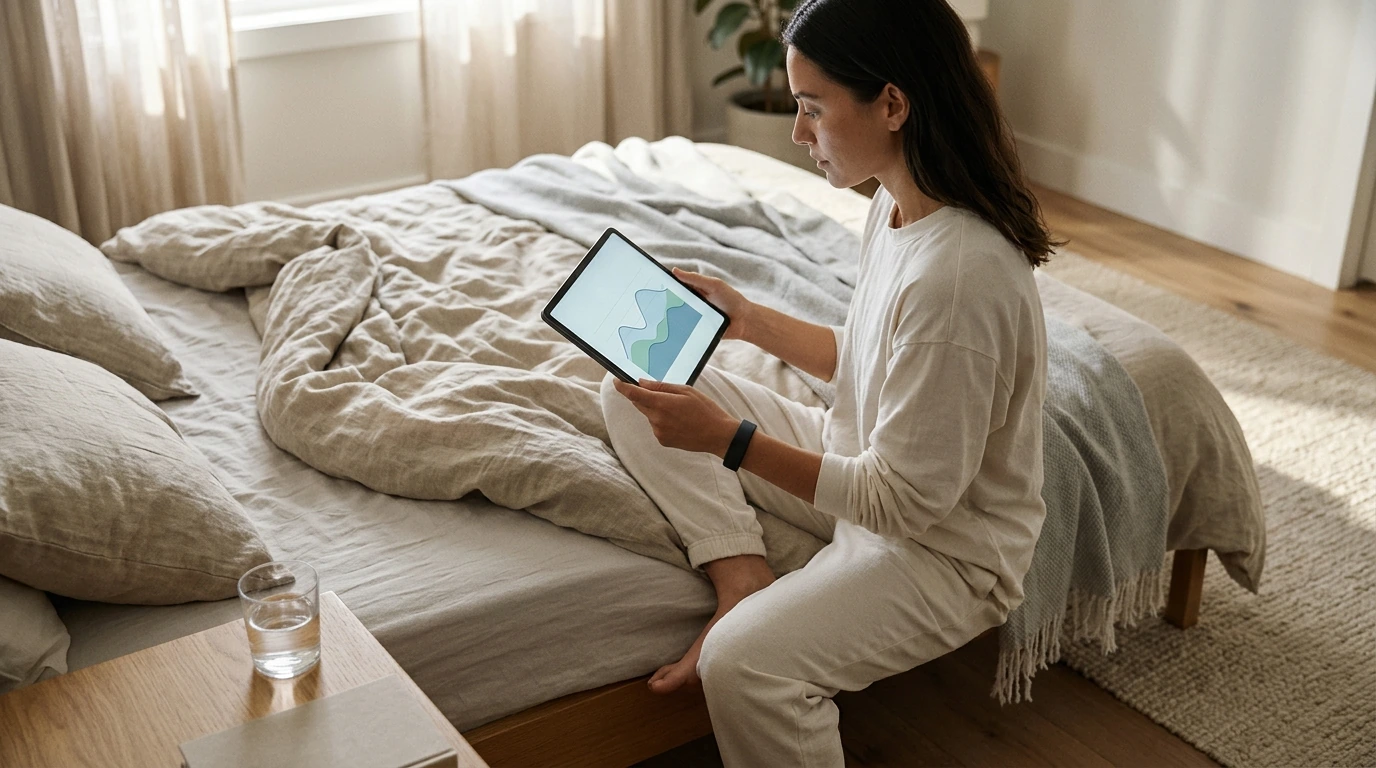
Sleep data can be interesting, but a nightly score doesn’t tell the whole story. AI-powered trackers can help you notice patterns in your rest and connect them with your daily habits. The useful part is knowing which numbers deserve attention—and which ones are best treated as estimates.
Our digital eBook, How AI Tracks and Improves Your Sleep Quality, is a starting point for exploring sleep tracking and making sense of the insights. Whether you already use a tracker or are considering one, a practical approach can help you use the information without letting it take over your bedtime routine.
What an AI Sleep Tracker Can Tell You
Compatible sleep-tracking devices may collect signals such as movement and heart rate while you sleep. Some also use other measurements, depending on the device. Software analyzes those signals to estimate when you fell asleep, how long you slept, and whether your sleep was interrupted.
Some trackers use AI or other algorithms to look for patterns and present them as scores, trends, or suggested habits. Features and measurements vary by device, so two trackers may describe the same night differently. A device’s sleep-stage breakdown is an estimate, not a diagnosis or a substitute for a clinical sleep study.
Our eBook is for readers interested in learning how AI tracker insights relate to sleep quality. You can use it as a guide while deciding which information is relevant to your own routine, rather than trying to optimize every number at once.
Turn Sleep Data Into Useful Insights
A single short night or unexpected score is only one part of the picture. Look at several nights together and ask whether a pattern keeps appearing. You might notice that your bedtime shifts on busy evenings, or that you feel less rested after nights when you report waking often.
Context matters, too. Travel, stress, exercise, caffeine, illness, and changes in your schedule can all affect how a night feels. A brief note about your routine can make a trend more useful than a score viewed on its own.
| Metric | What it may show | Practical next step |
|---|---|---|
| Sleep duration | An estimate of time spent asleep | Compare it with your sleep schedule over several nights. |
| Sleep schedule | Bedtimes and wake times | Look for opportunities to make timing more consistent. |
| Nighttime awakenings | Possible interruptions to sleep | Note recurring patterns and discuss persistent concerns with a clinician. |
| Sleep stages | Estimated periods of different sleep stages | Treat stage breakdowns as estimates, not medical findings. |
Consider how you feel during the day alongside the device estimates. If you feel rested despite an imperfect score, that is useful context. If you regularly feel tired despite a reassuring score, don’t dismiss your experience. The CDC’s sleep guidance offers a broader overview of sleep health and recommended sleep duration.
Build a Better Nighttime Routine
Start with one manageable habit instead of changing everything at once. You might aim for a more consistent wake time or set aside a few quiet minutes to wind down before bed. Choose something that fits your schedule well enough to repeat, then give yourself time to notice how it feels.
Keep a simple record of your chosen habit, your approximate sleep schedule, and how alert or rested you feel. Review it alongside tracker estimates after several nights. If the routine isn’t practical, adjust it rather than treating the data as a test you have to pass. The National Heart, Lung, and Blood Institute’s healthy sleep habits provide more ideas for shaping a routine.
Talk with a healthcare professional if sleep problems persist or if you have symptoms such as loud snoring or daytime sleepiness. A tracker can help you describe patterns, but it cannot determine the cause of those symptoms.
Explore the Sleep Tracking eBook
Our How AI Tracks and Improves Your Sleep Quality digital eBook is listed at $20.99. It’s a digital eBook for anyone interested in using AI tracker insights to better understand their sleep. You can visit the product page to purchase it; a sleep tracker is not listed as part of the product.
If you’re also considering changes to your bedroom, our luxury king bed with massage and storage is another option to explore. Think about your available space and the features you want from a bed separately from the sleep data you choose to track.
FAQ
Can an AI sleep tracker diagnose a sleep disorder?
No. Consumer trackers can help reveal patterns, but a healthcare professional is needed to assess sleep concerns.
Do I need to track my sleep every night?
No. Consistent tracking can make patterns easier to spot, but choose a routine that feels helpful rather than stressful.
Is a sleep tracker included with the eBook?
The product is listed as a digital eBook; a sleep tracker is not listed as included.
How to create an AI track?
To create an AI-generated music track, choose a music generation tool, describe the sound you want, and use its controls to generate and refine the result. Review the tool’s licensing terms before sharing or using the track commercially.














Leave a comment